Foie Gras: The Périgord’s Signature Dish
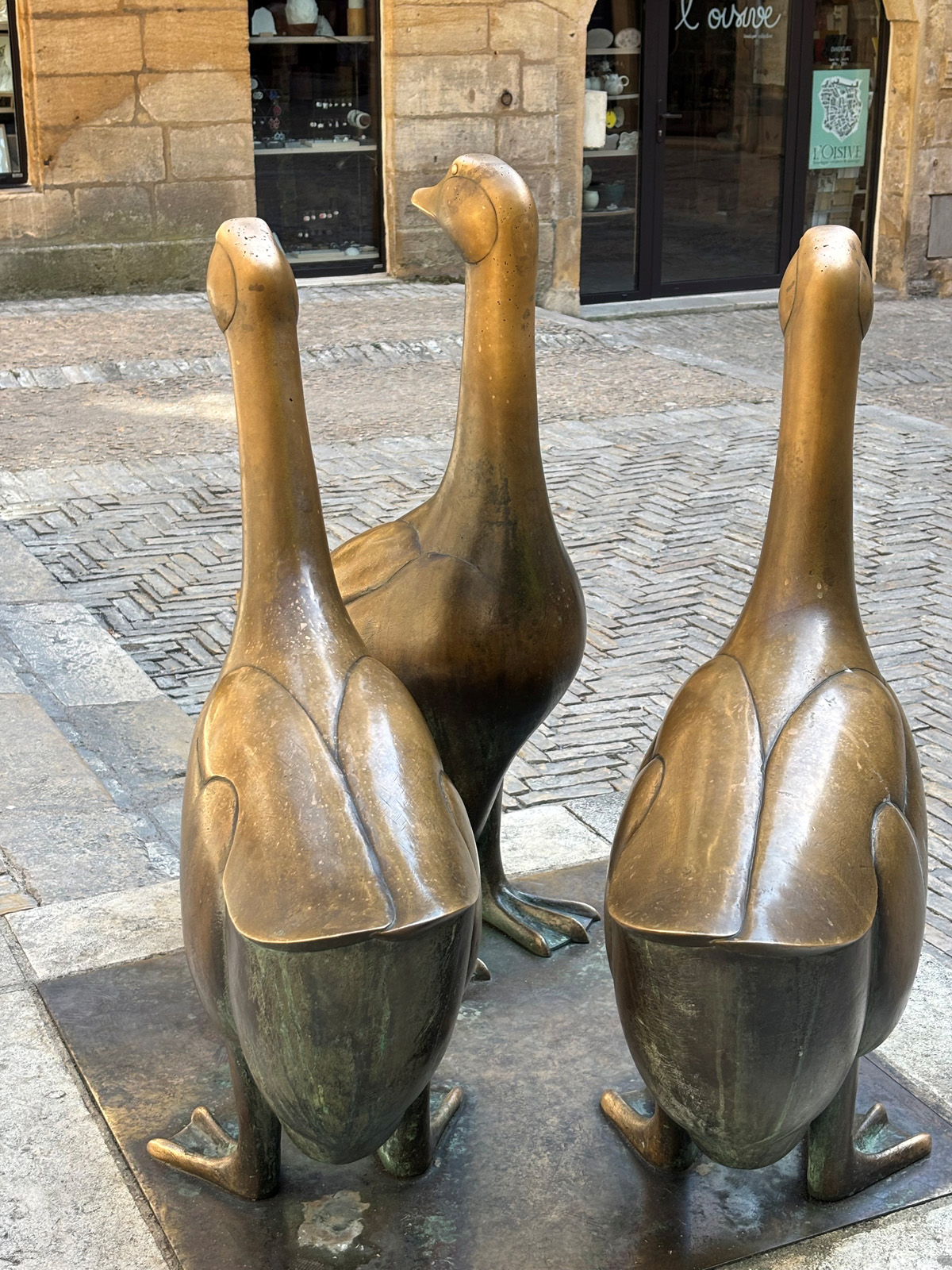
Foie gras production in France traces back to the 17th and 18th centuries, when the spread of corn cultivation in the southwest gave farmers an efficient way to fatten geese and, later, ducks. The Périgord took to it with particular devotion; today the region accounts for the large majority of France’s foie gras production, and Foie Gras du Périgord has carried a Protected Geographical Indication since 2000, a legal guarantee of origin and quality. Every Saturday morning from late November to mid-March, Sarlat hosts a dedicated market, alongside the region’s broader Truffle Festival and Culinary Academy of Foie Gras each January, a tradition that has made the town nearly synonymous with the dish.
The Black Truffle of the Périgord Noir
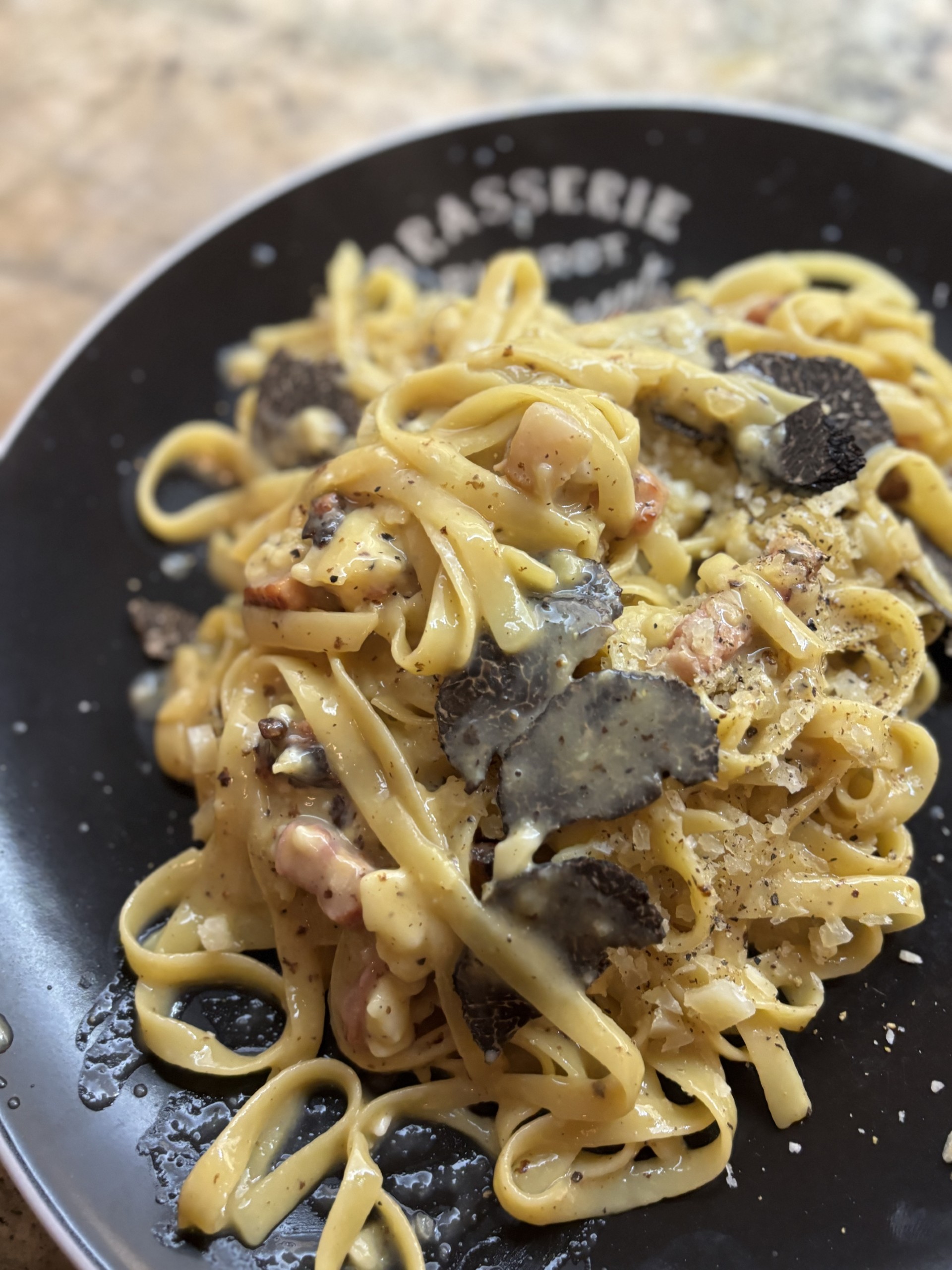
The Périgord black truffle, Tuber melanosporum, grows underground at the foot of oak and hazelnut trees, in the same limestone soil that surrounds Sarlat, and it has been prized here since at least the 18th century, when it began its transformation from rustic staple into the luxury ingredient it is today. Finding one still takes a trained dog, or in a few old-fashioned corners of the region, a pig, working the base of the “brûlis,” the bare patch of ground beneath a truffle-bearing oak. From December through February, Sarlat’s rue de Fénelon becomes one of the foremost bulk truffle markets in the region, and the town’s mid-January Truffle Festival draws hunters, producers, and cooks from well beyond the Périgord.
Noix du Périgord: The Region’s Walnut
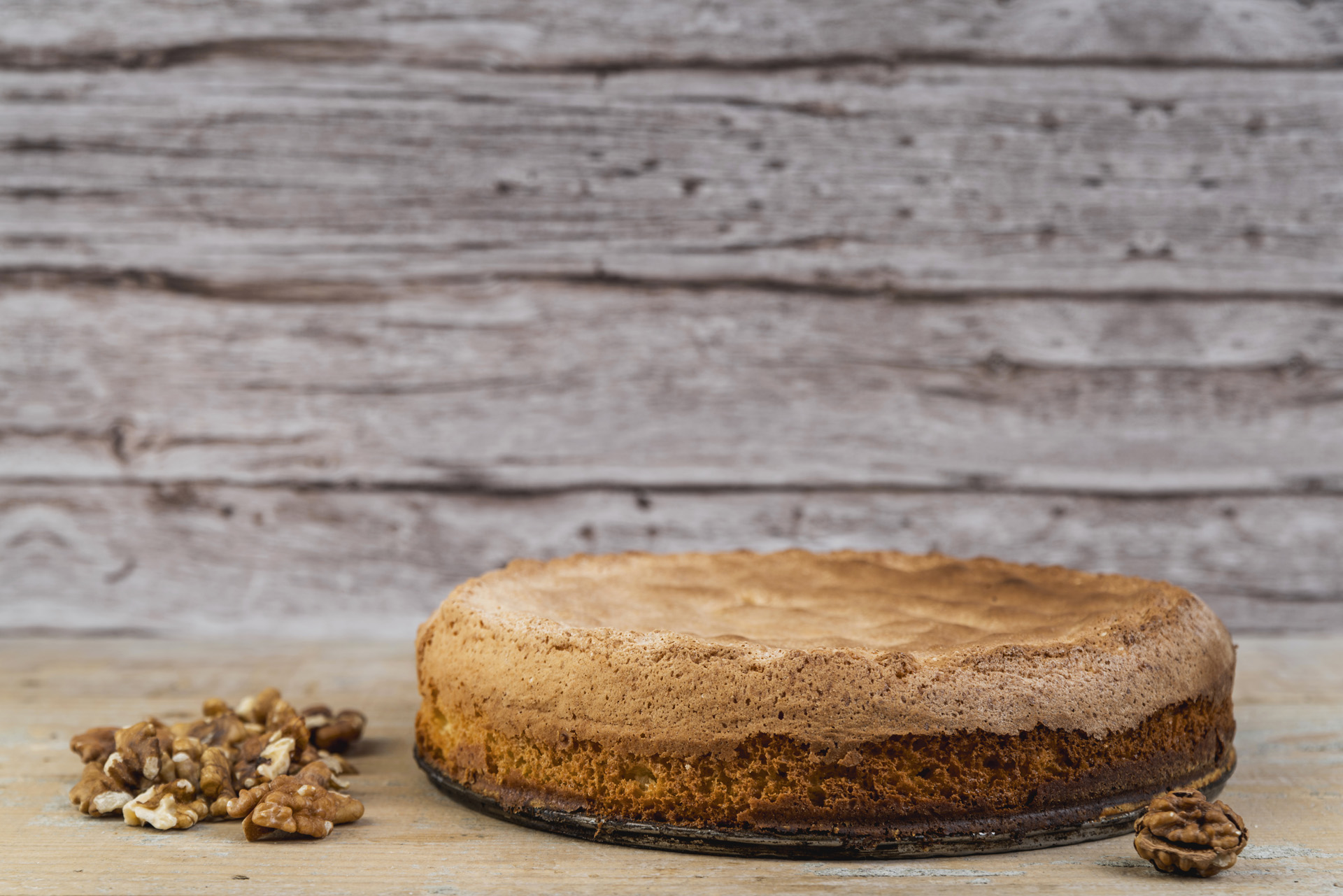
Walnuts have been part of Périgord life for a very long time, but it was not until 2002 that the Noix du Périgord earned its Appellation d’Origine Contrôlée, followed by full Protected Designation of Origin status in 2004, recognition for four traditional varieties (Corne, Marbot, Grandjean, and Franquette) grown across the Dordogne, Corrèze, Lot, and Charente. The walnut shows up everywhere in Périgord cooking: pressed into a deep, nutty oil for dressing salads, baked into cakes, folded into a rich walnut liqueur, and set out simply, cracked at the table, alongside a glass of something local.
Fraise du Périgord: The Region’s Strawberry
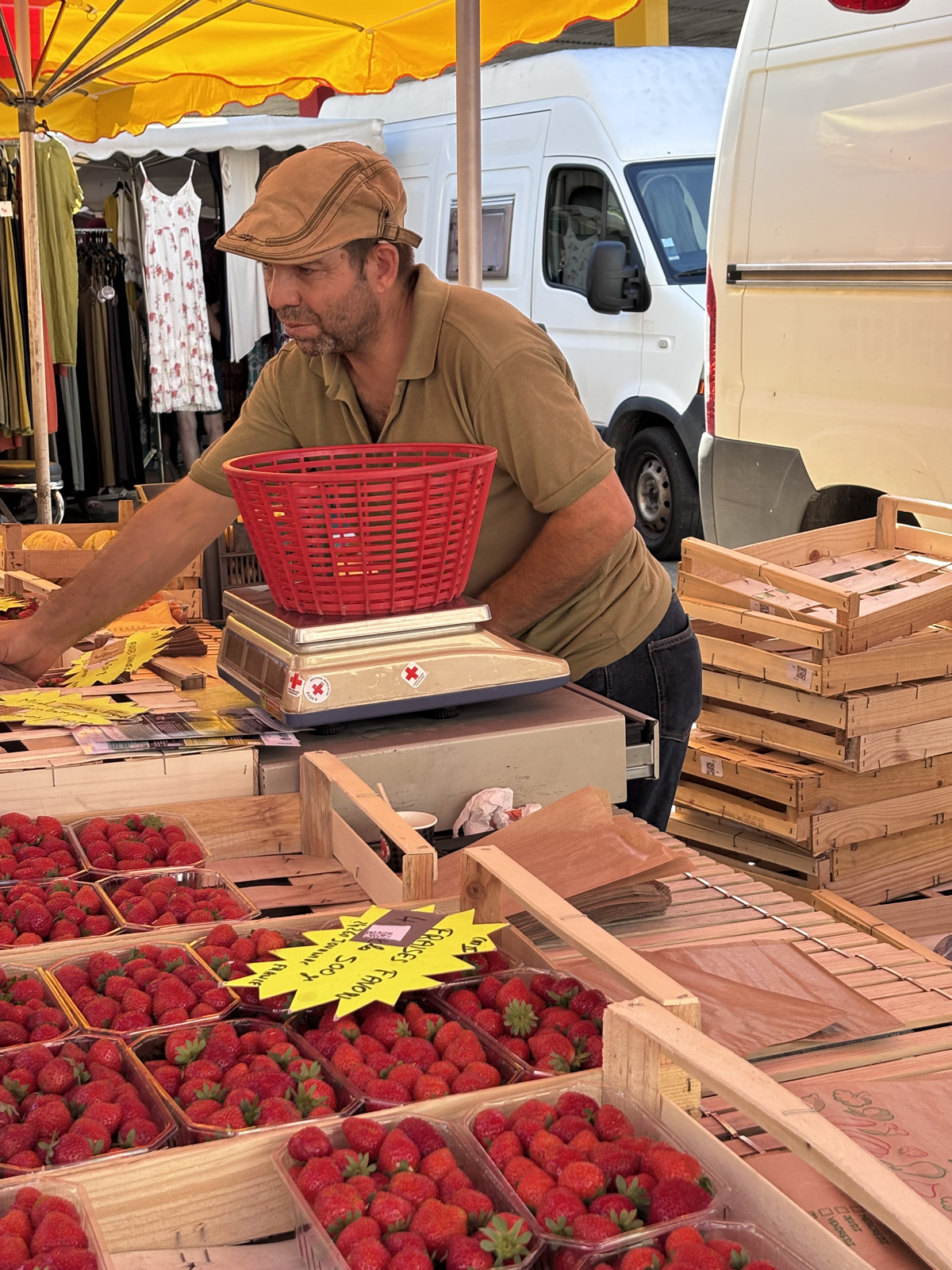
The strawberry arrived in the Périgord quietly, around 1895, and it was not until after the Second World War that it took root in earnest, on the sandy, acidic hillsides around Vergt, a village that remains the beating heart of Périgord strawberry country. The fruit that grows there proved good enough that in 2004 the Fraise du Périgord became the first strawberry in Europe to earn IGP (Protected Geographical Indication) status, grown outdoors across some 400 communes of the Dordogne and neighboring Lot from April through October. Vergt still celebrates its signature crop each spring with a festival built around a giant communal strawberry tart.
At Les Cordeliers, the fruit bowl follows the fields: early in the season it is the bright, elongated Gariguette and Darselect; by summer the fragrant, wild-tasting Mara des Bois takes the lead; and the heart-shaped Charlotte carries breakfast into the last weeks of the season, come October.
The Wines of Bergerac
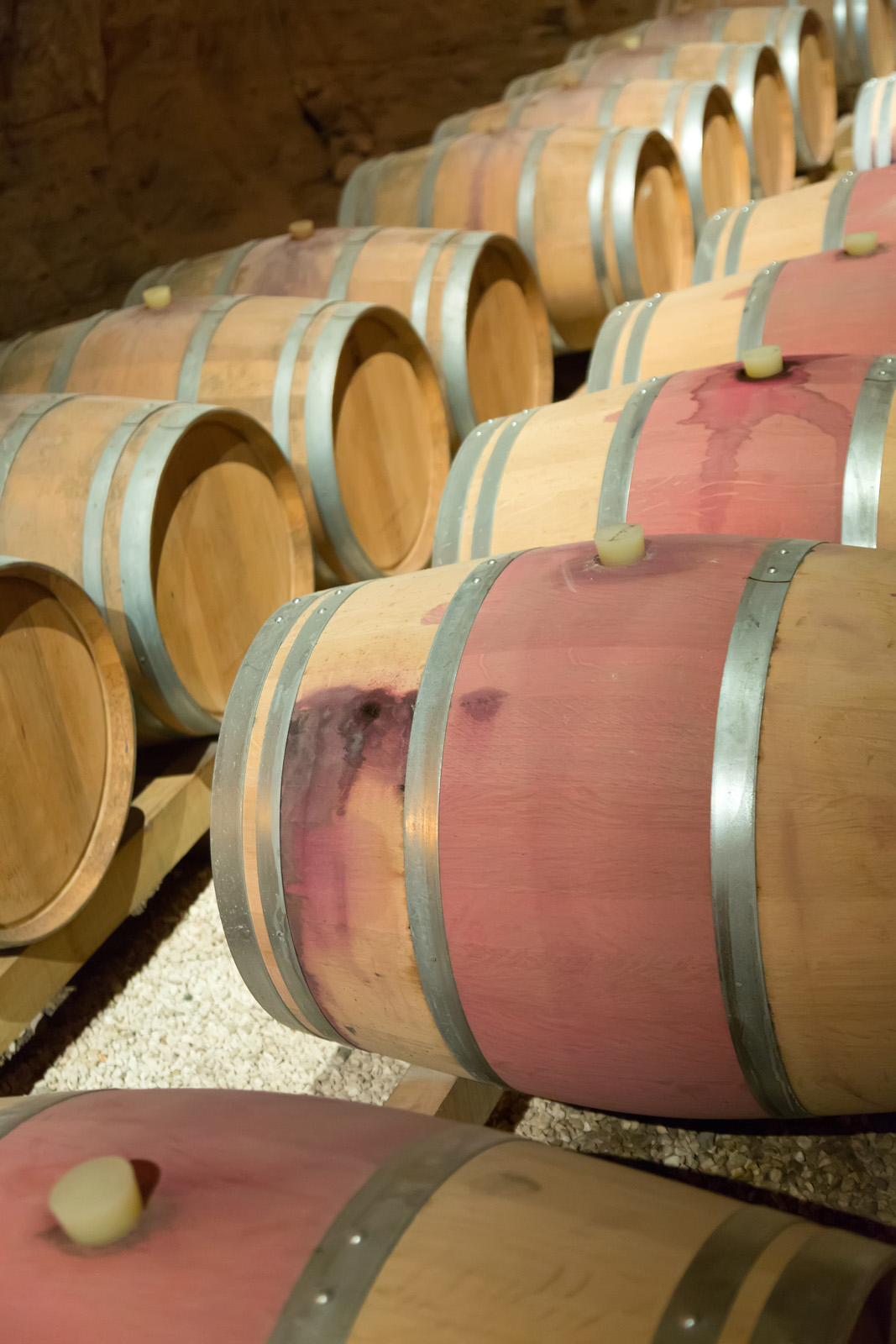
Bergerac’s vineyards run along the Dordogne just east of Bordeaux, sharing many of the same grapes (Cabernet Sauvignon, Merlot, Sauvignon Blanc, Sémillon), but with a character and a price point very much their own. Winemaking here likely began with the Romans, and the first records of the vineyard’s importance date to the 12th century; the broad Bergerac AOC was formally recognized in 1936, one of the oldest appellations in France, with thirteen sub-appellations now nested inside it. Monbazillac, just south of the town of Bergerac, makes exclusively sweet white wines from botrytis-affected grapes; Pécharmant, first planted as early as the 11th century, is generally considered the region’s finest red. It is this range, sweet, dry, red, white, from a dozen distinct pockets of limestone and clay, that gives a week of guided tastings in the Périgord so much more to explore than a single grape or style.
Duck, Beyond Foie Gras
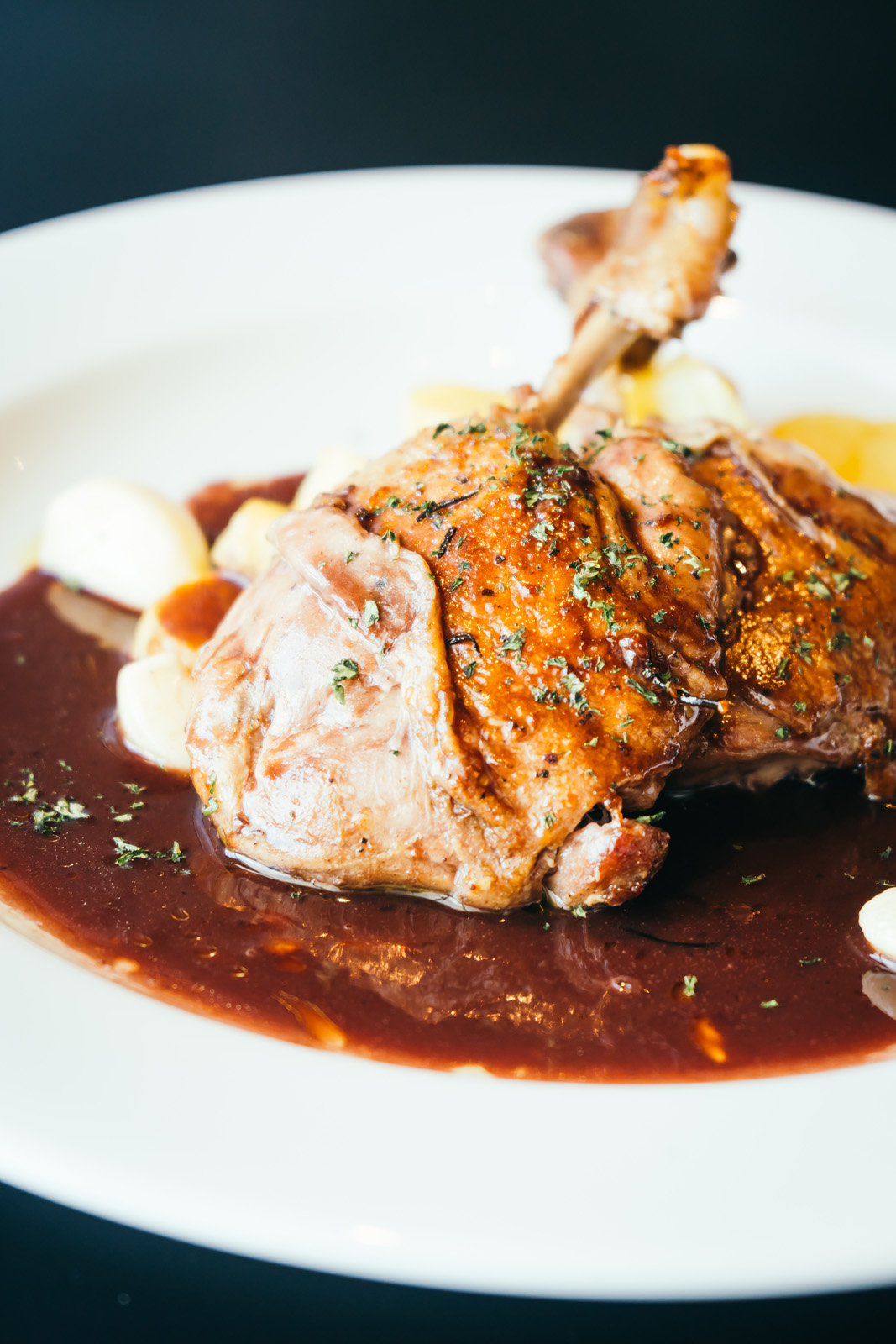
Foie gras gets the headline, but duck shows up on a Périgord table in far more forms than that. Magret, the thick, steak-like breast from the same ducks raised for foie gras, is seared skin-down until the fat renders and the meat stays rosy inside, closer in texture to a good steak than to anything most visitors expect from poultry. Confit de canard takes the legs the opposite direction: salt-cured overnight, then simmered slowly in their own fat until the meat falls from the bone, traditionally served with sarladaise potatoes cooked in that same duck fat with garlic and parsley. Between the two sits a whole vocabulary worth knowing on a Périgord menu: gésiers (confit gizzards, usually tossed through a salad), magret séché (air-dried and sliced thin, closer to charcuterie than to a hot dish), and tournedos de magret, duck breast wrapped around a slice of foie gras and pan-seared. None of it is incidental to the region’s cooking; duck, in one form or another, is the thread that runs through nearly every Périgord meal.
Wild Cèpes and the Autumn Foraging Season
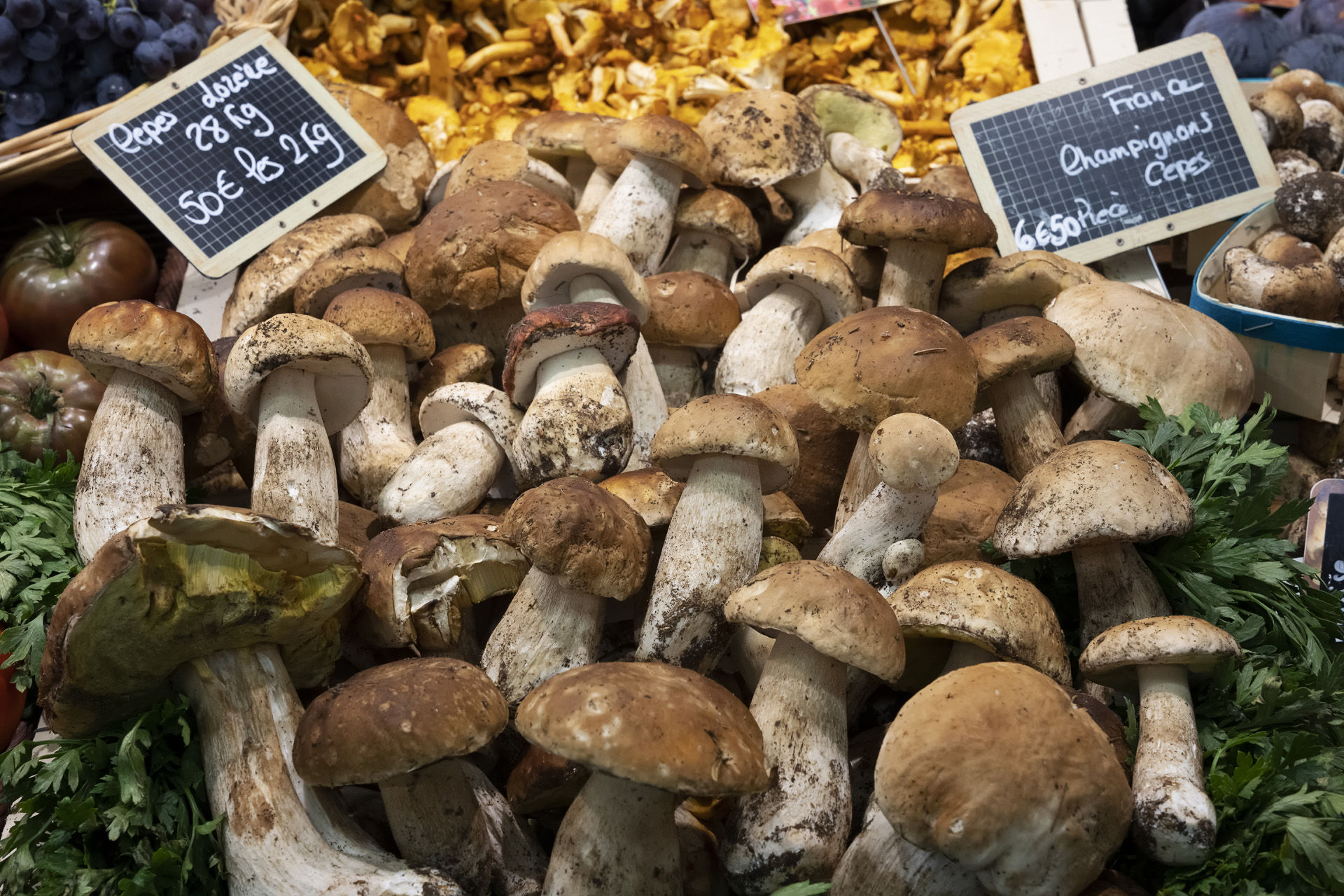
The Périgord’s oak and chestnut forests hold a second harvest that has nothing to do with what is planted in a field. Cèpes, the meaty, deeply savory mushroom known elsewhere as porcini, tend to appear ten to fifteen days after a hot spell breaks into heavy rain, typically from late August through autumn. Locals treat the exact spots as closely guarded secrets, but visitors do not need one: dedicated cep markets spring up across the region in season, most famously in Villefranche-du-Périgord and Monpazier, where foragers sell the morning’s haul directly out of crates and trays. Villefranche-du-Périgord marks the season’s peak each year with a Chestnut and Cep Festival at the end of October. Anyone tempted to forage independently should know that wild mushroom picking is generally tolerated in public forests for personal use, within reason and away from private land, but every regional pharmacy will identify a basket for free, and it is worth the five-minute stop before anything wild ends up in a pan. Once identified, a proper cèpe needs almost nothing done to it: a wipe with a cloth rather than a rinse, a quick sauté in butter or duck fat, garlic and parsley stirred in only at the very end.
A Périgord Eating Calendar
The Périgord table changes with the season more than most, and knowing the calendar helps explain why a menu in March looks nothing like one in October. Late autumn through winter belongs to foie gras and truffles: Sarlat’s dedicated foie gras market runs Saturday mornings from late November to mid-March, overlapping with the black truffle season that peaks from December through February on rue de Fénelon. Late summer into autumn is cèpe season, the forests and markets both filling with them from late August onward. Spring brings the first strawberries, with the bright Gariguette arriving as early as April; by full summer the fragrant Mara des Bois takes over, and the season stretches all the way to the heart-shaped Charlotte in October. Walnuts and Bergerac’s wines, unlike everything else on this list, are harvested once a year but consumed year-round, which makes them the one constant on an otherwise shifting table.
Sarlat’s Market: Where It All Comes Together
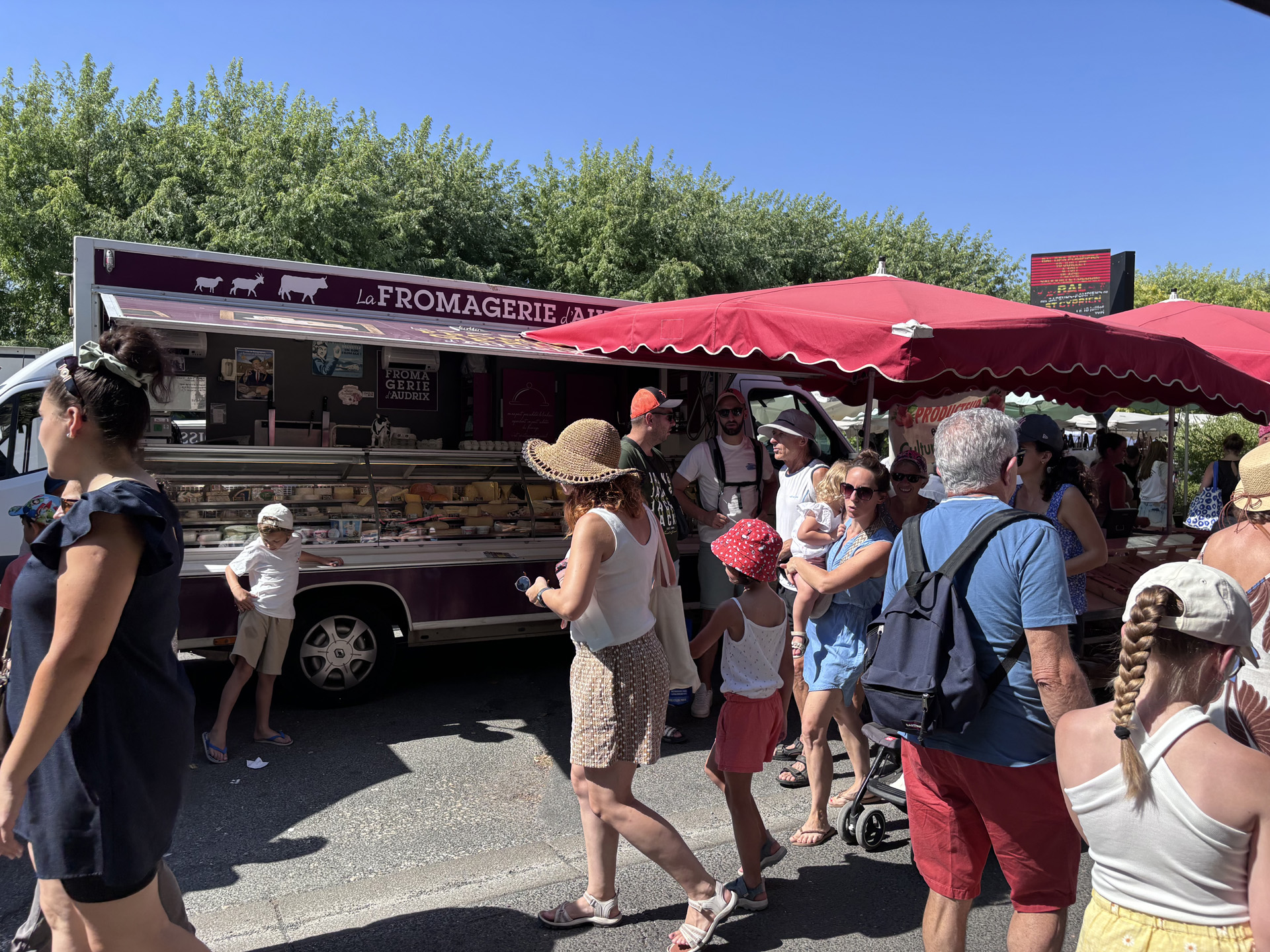
Markets have run in Sarlat since the Middle Ages, and the town’s well-preserved medieval center (arcaded stone squares built for exactly this purpose) still hosts one most Wednesdays and every Saturday. Place de la Liberté and the streets around the old Sainte-Marie church fill with stalls of walnuts, foie gras, cheeses, and, in season, truffles and strawberries, alongside the produce, bread, and everyday goods that keep the market as much a local institution as a visitor draw. It is the one place in the Périgord where every flavor on this page tends to show up at once.
The same market fills the pages of Martin Walker’s Bruno, Chief of Police novels, whose fictional St. Denis draws its own weekly market scene from this one.
Frequently Asked Questions
When is truffle season in the Périgord?
The Périgord black truffle season runs from December through February, with Sarlat’s rue de Fénelon becoming one of the foremost bulk truffle markets in the region during those months. The town’s mid-January Truffle Festival draws hunters, producers, and cooks from well beyond the Périgord and marks the peak of the season.
When is foie gras season in Sarlat?
Sarlat hosts a dedicated foie gras market every Saturday morning from late November to mid-March. The season overlaps with the region’s broader Truffle Festival and Culinary Academy of Foie Gras each January, making winter the strongest time to experience the dish at its regional source.
What wines come from the Périgord region?
The Périgord’s wine country centers on Bergerac, whose vineyards run along the Dordogne east of Bordeaux and share many of the same grapes, including Cabernet Sauvignon, Merlot, Sauvignon Blanc, and Sémillon. The Bergerac AOC covers thirteen sub-appellations, ranging from Monbazillac’s sweet botrytis-affected whites to Pécharmant, generally considered the region’s finest red.
When are Périgord strawberries in season?
Fraise du Périgord is grown outdoors from April through October. The bright Gariguette and Darselect varieties arrive early in the season, the fragrant Mara des Bois takes over by summer, and the heart-shaped Charlotte carries the season into its final weeks in October.
What is cèpe season and when does it happen?
Cèpes, known elsewhere as porcini, typically appear from late August through autumn, generally ten to fifteen days after a hot spell breaks into heavy rain. Dedicated cèpe markets spring up across the region during the season, most notably in Villefranche-du-Périgord and Monpazier, with the season’s peak marked each year by a Chestnut and Cep Festival at the end of October.
Where to Taste It: Cooking, Wine & French Living at Les Cordeliers
To stay at Les Cordeliers is to be a short walk from the Sarlat market and a short drive from the truffle grounds, walnut orchards, strawberry fields, and Bergerac vineyards behind everything on this page. It is also where we have built a week entirely around tasting it properly with the subject-matter experts.
Ready to cook and taste through it? Join our Cooking, Wine & French Living week this summer, or stay with us at Les Cordeliers in the heart of Sarlat.