

Étienne de La Boétie: Sarlat’s Own Literary Son
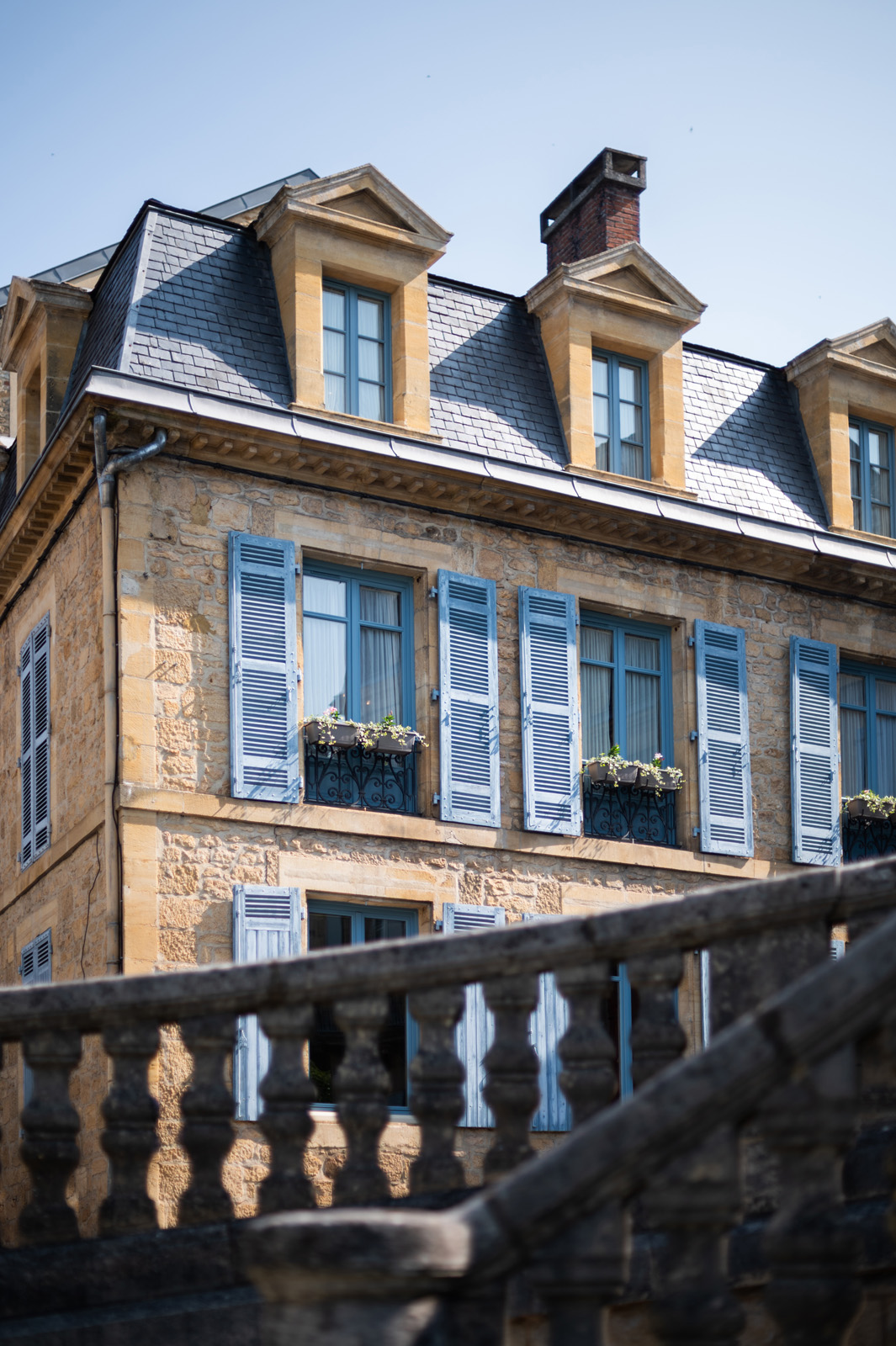
Sarlat’s own literary son was born in 1530 across from the Cathédrale Saint-Sacerdos, into a family of magistrates. By the age of twenty-three, La Boétie had written the work that would define his short life, Discourse on Voluntary Servitude, a meditation on why people consent to their own oppression that was already being talked about in manuscript before it was ever formally published. It was this work that won him the friendship of a fellow Bordeaux magistrate, Michel de Montaigne, in what became one of the most celebrated friendships in French letters. La Boétie died of tuberculosis at just thirty-three, and Montaigne, who was at his bedside, later immortalized their bond in his Essays with a line that has outlived them both: asked why he loved his friend, Montaigne answered simply that it was because it was him, and because it was him.
Michel de Montaigne: The Dordogne Tower That Invented the Essay
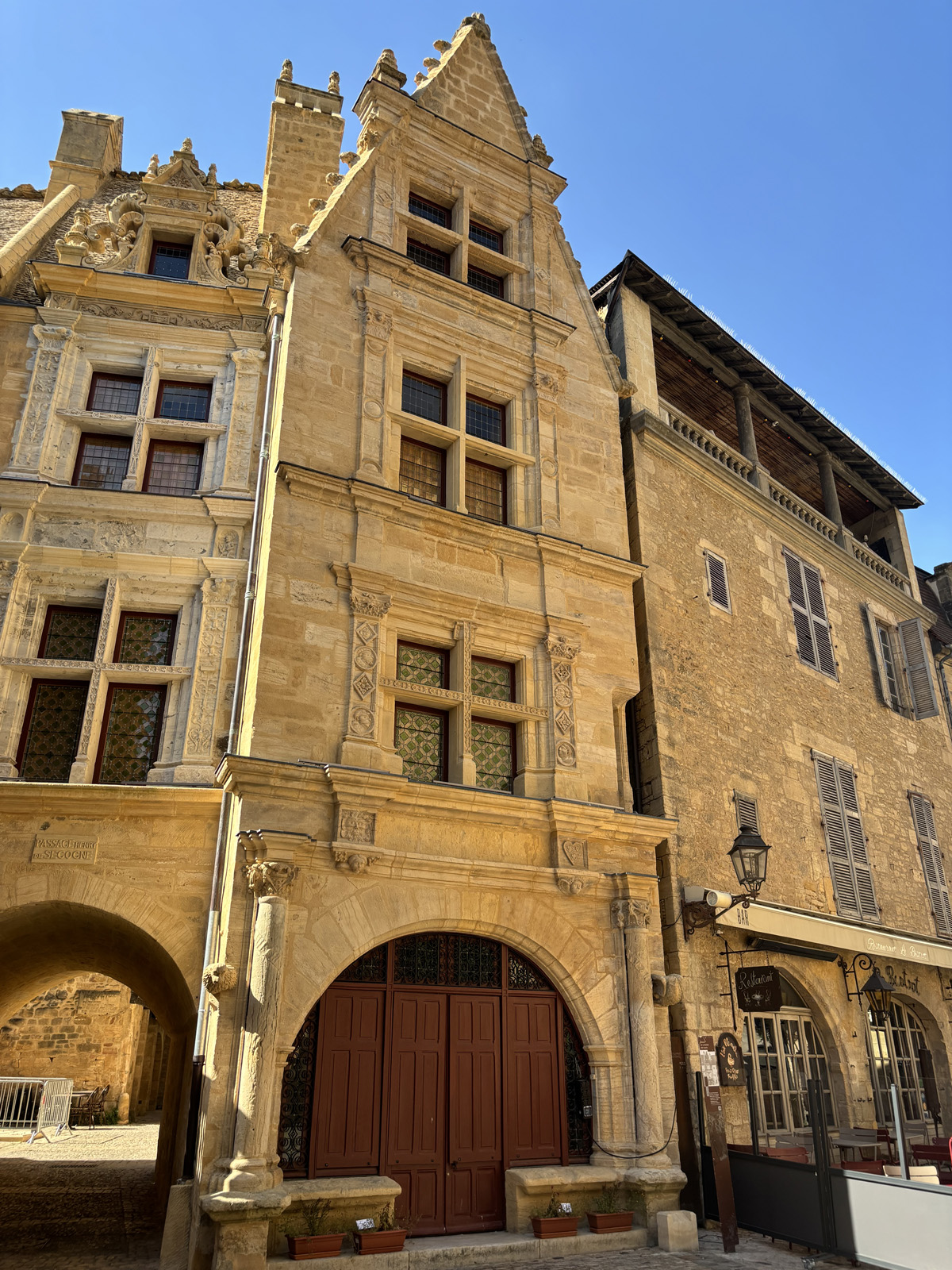
If La Boétie gave the Périgord its friendship, Montaigne gave it a genre. In 1571, having sold his seat in the Bordeaux parliament, Montaigne retreated to the circular tower of his family château, not far from the Dordogne River, and began to write. What emerged over the following decade were his Essays: a new form of writing altogether, built entirely from Montaigne’s own thoughts, doubts, and observations, ranging from vanity to virtue to the particular ache of his kidney stones. He would later travel widely across France, Germany, Switzerland, and Italy, but it was in that Périgord tower, surrounded by his books, that he became, in the words of admirers since, something close to the first blogger, centuries before the word existed.

François Fénelon: The Périgord Argument for Educating Girls and Kings
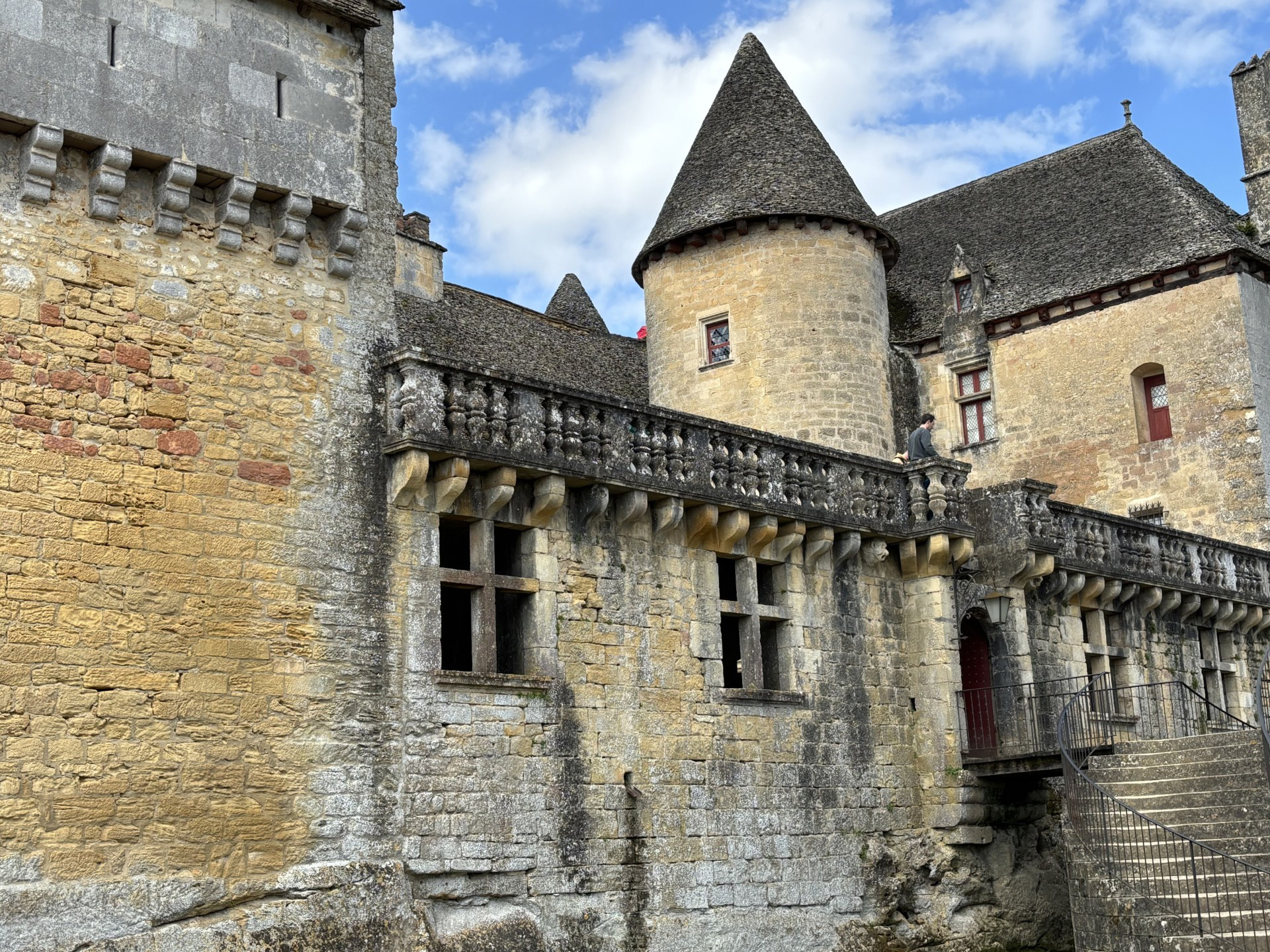
A century after Montaigne, another Périgord native reshaped how his country thought, this time about youth and rulership. François de Salignac de la Mothe-Fénelon was born in 1651 at the family château in Sainte-Mondane, a short drive from Sarlat, and went on to become Archbishop of Cambrai and tutor to the grandson of Louis XIV. In 1687 he published his Traité de l’éducation des filles, a treatise on educating girls that the French court read closely. Fénelon still assumed a woman’s ultimate purpose was marriage, and did not challenge that framework, but he argued, unusually for his century, that a girl’s mind deserved the same rigorous cultivation as a boy’s, reasoning that women were no less capable of sustained intellectual work than men. He applied this same passion for progressive education to the future king. In 1699, Fénelon published his most famous work, Les Aventures de Télémaque (The Adventures of Telemachus). Written as a political fable following the son of Ulysses, the book served as a thinly veiled critique of Louis XIV’s absolute monarchy, advocating instead for peace, agrarian virtue, and the education of wise leaders. Sarlat still carries his name on the rue de Fénelon, where the town’s winter truffle market runs today, and his childhood château, still privately owned by the family that has lovingly restored it, remains open to visitors for much of the year.
Eugène Le Roy: The Novelist of the Périgord Soil
No writer is more closely tied to the everyday life of this region than Eugène Le Roy, born in Hautefort in 1836 and later a resident of Montignac until his death in 1907. His 1899 novel Jacquou le Croquant, the story of a peasant boy who rises against the injustices of his time, became so deeply woven into Périgord’s collective memory that it remains a touchstone of regional identity today, later adapted into a celebrated television series. Le Roy’s other major work, The Enemy of Death, follows a young doctor’s fight against poverty and disease in the marshland region known as the Double. Between the two novels, Le Roy did more put the texture of ordinary Périgord life onto the page.
Henry Miller’s Blessing on the Dordogne
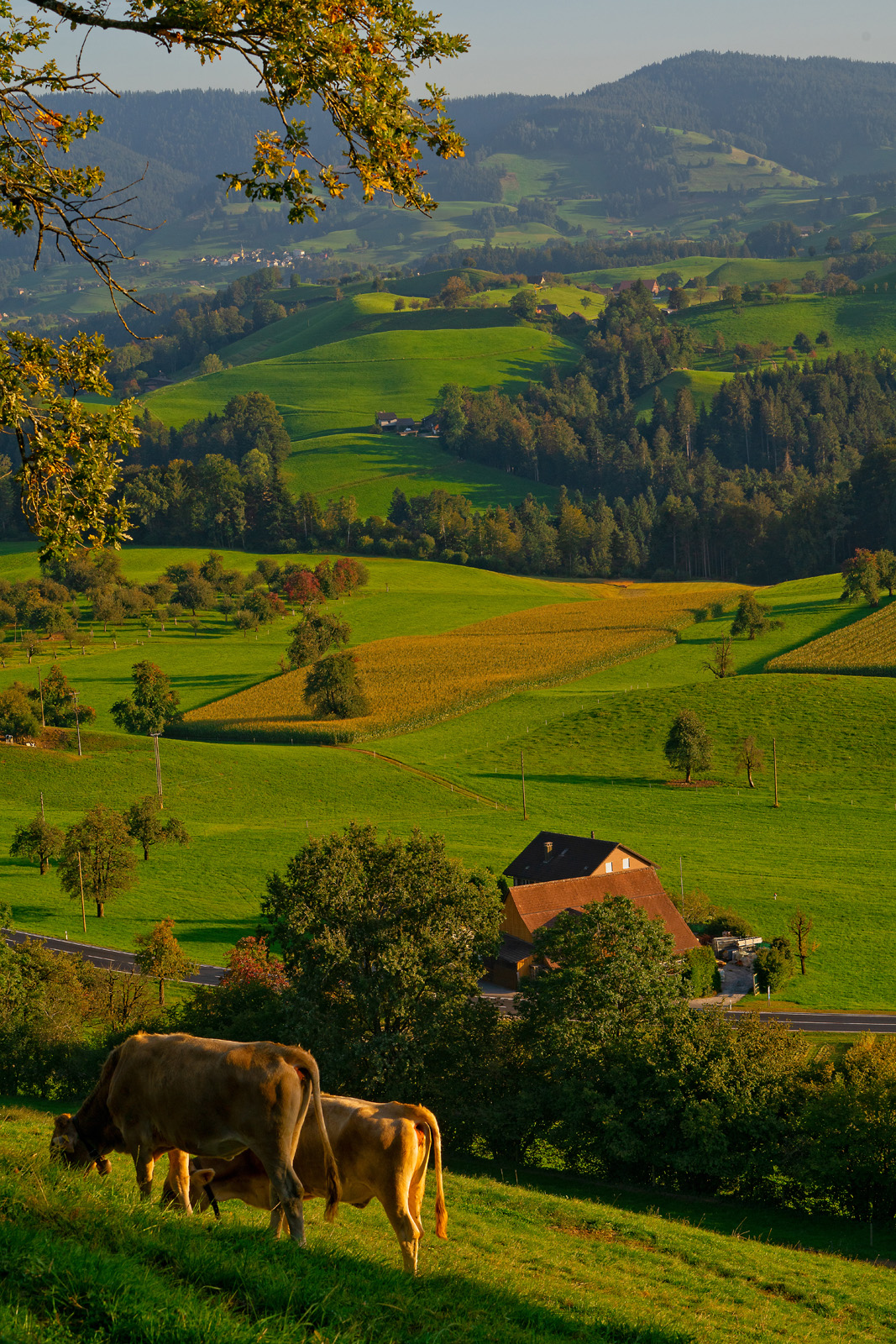
Few outsiders have written about the Dordogne with more open devotion than the American writer Henry Miller, who traveled through the valley shortly before the outbreak of the Second World War. In The Colossus of Maroussi, Miller described the region as blessed by the gods, and wrote at length of standing above the river at Domme, overcome by a landscape he felt certain would outlast nations. He credited the Cro-Magnon people who once lived here with an unusually developed sense of beauty, and imagined the valley as a future refuge for poets long after cities had exhausted themselves. It remains one of the most quoted passages ever written about the region, by a writer who, by his own account, considered the visit essential to his understanding of the world.

Ezra Pound & T.S. Eliot: A Dordogne Summer in Excideuil
Perhaps the most remarkable literary episode in Périgord history is also one of the least known. In August 1919, the poets Ezra Pound and T.S. Eliot, the two men who would soon reshape modern English poetry together, spent nearly two weeks walking the roads between Excideuil, Thiviers, Brantôme, and Bourdeilles, staying at a small inn run by a widow named Madame Poujol, whose cooking and household Pound would still be recalling, fondly, decades later from an American military prison camp in Pisa. Pound had first fallen for the region on a walking tour in 1912, drawn by its associations with the medieval troubadours, several of whom, Bertran de Born and Giraut de Borniel among them, were native to the area. Eliot arrived worn down by wartime London and the recent death of his father, and left, by his own account, refreshed. Literary scholars have since traced quiet echoes of that Périgord summer into The Waste Land, begun only months after Eliot’s return, and into Pound’s own Cantos, which name Excideuil directly. Eliot continued on afterward to Les Eyzies, drawn to the newly famous painted caves at Font-de-Gaume. Lascaux itself lay still undiscovered, over twenty years in the future.

Paul Éluard’s Final Summers in Beynac, Dordogne
The great Surrealist poet Paul Éluard spent the last two summers of his life, in 1951 and 1952, in a house he owned in Beynac-et-Cazenac, alongside his wife Dominique, who was herself from Sarlat. Éluard was in good company choosing this particular village: Beynac’s dramatic silhouette above the Dordogne River has drawn artists for generations, later serving as a filming location for productions including Les Visiteurs 2 and Ridley Scott’s The Last Duel. It is a fitting resting place, in a sense, for a poet whose late work turned increasingly toward themes of peace, love, and the quiet dignity of ordinary life.
François Augiéras: The Mystic of Domme, Périgord
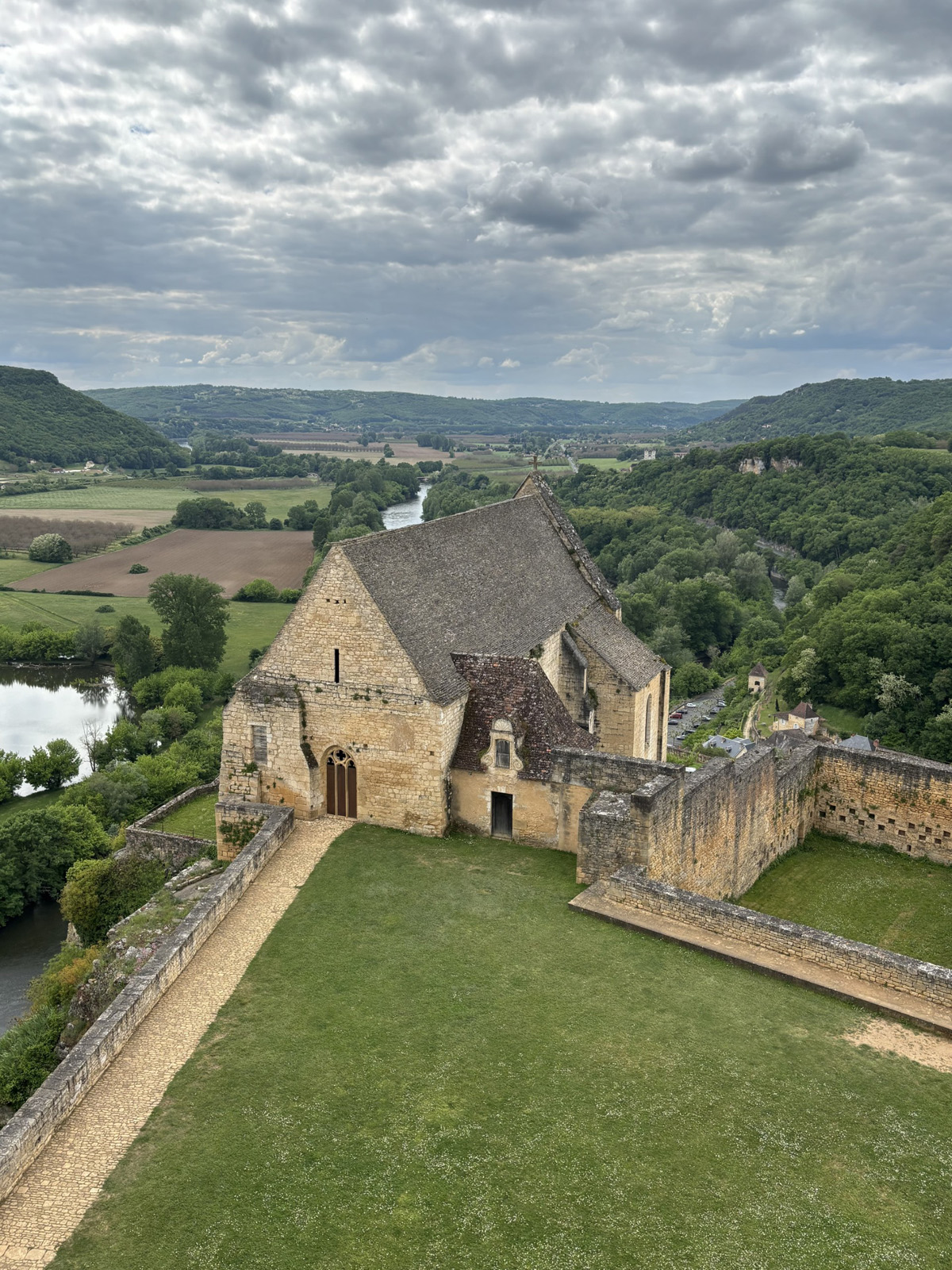
Not every writer drawn to the Périgord sought comfort here. François Augiéras, born in Rochester, New York, in 1925 to a French family, spent much of his adult life in restless spiritual searching, through Algeria, through Mount Athos, and finally, exhausted in body and health, to the clifftop town of Domme, which he described as possessing an almost magnetic power over him. His book about the town, Domme ou l’Essai d’Occupation, published only after his death in 1971, is written in controlled, classical French even as it documents a mind reaching for something far outside ordinary civilization. Augiéras is buried in Domme’s small cemetery, near a ruined tower along the old ramparts, an easy grave to walk past without noticing, and, for those who know to look for it, a quietly moving one to find.

Martin Walker and the Périgord of Today
The region’s literary story continues into the present through Martin Walker, a Scottish-born journalist who fell so completely for the Périgord and its gastronomy that he settled near Le Bugue. Since 2008, Walker has written a beloved series of crime novels following Bruno, a fictional small-town Périgord police chief with an unapologetic love of good food and wine, inspired by a real friend of the author. The novels have found a far wider readership abroad than at home, translated into more than fifteen languages, and their affection for the region’s markets, kitchens, and countryside runs through every page, as guests of the Bruno-themed retreat week, held in collaboration with Walker himself, know firsthand.
For the real towns and markets behind his fictional St. Denis, see our guide to Martin Walker’s Bruno novels.
Frequently Asked Questions: Where to See It Today
Can visitors tour Montaigne’s tower in the Dordogne?
Montaigne’s tower and château, in Saint-Michel-de-Montaigne, offer guided tours nearly year-round. Space inside the tower itself is limited, so booking ahead is recommended.
Is the cave T.S. Eliot visited in 1919 still open to the public?
Font-de-Gaume, the painted cave Eliot detoured to see during his 1919 stay in the region, remains one of the last such decorated caves in France still open to the public. Only a few dozen visitors are admitted each day, so tickets are worth reserving online well in advance of a visit.
Can you visit Domme’s cemetery and Beynac’s lanes?
Domme’s cemetery, where Augiéras is buried, and Beynac’s steep lanes, where Éluard spent his final summers, are both simply open to wander, with no ticket required.
Is Fénelon’s château open to visitors?
Fénelon’s château, in Sainte-Mondane, opens to visitors for much of the year, with the birth room and the chapel where he was baptized both included on the tour.
Can you see La Boétie’s birthplace in Sarlat?
La Boétie’s birthplace, across from the cathedral in Sarlat, is privately owned and marked only by a plaque. It is the one setting on this page guests will pass on the walk from Les Cordeliers to dinner.
Is Eugène Le Roy’s museum open to visitors?
Eugène Le Roy’s own museum in Montignac is currently closed to the public, though Hautefort, his birthplace, still welcomes visitors to its château.

Where to Stay: Reading the Périgord from Les Cordeliers
To stay at Les Cordeliers is to stay within walking distance of Étienne de La Boétie’s birthplace, and a short drive from nearly every other setting in this literary map: Montaigne’s tower, the roads Pound and Eliot walked, Éluard’s Beynac, Augiéras’s Domme, Fénelon’s Sainte-Mondane. Few regions in France have drawn such sustained devotion from writers across so many centuries, and fewer still reward a visitor for simply following in their footsteps.
Ready to write a chapter here? Join the Writers’ Retreat in the Heart of Périgord this fall, or stay at Les Cordeliers in magical Sarlat.

